


Budgeting first home NZ is an important milestone that requires smart planning and clear financial structure. As a first home buyer, understanding deposits, KiwiSaver options, Frame Home pricing guidance, home costs NZ wide, and hidden expenses will help you stay prepared. Property prices and lending rules continue to evolve in New Zealand, so having a detailed plan gives budget conscious buyers confidence and direction.
Understanding the Current NZ Housing Market
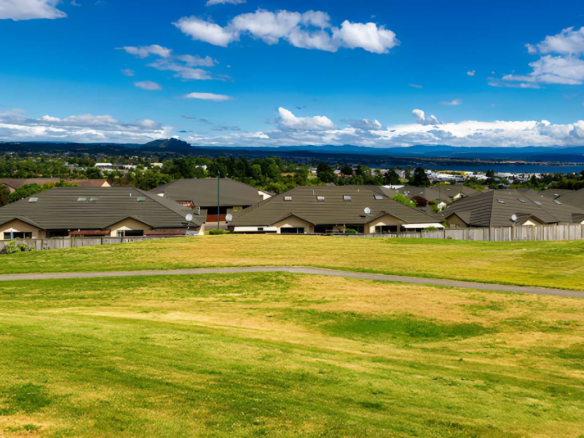
The NZ housing market has changed in recent years. Interest rates, demand shifts, and building material changes have influenced pricing. While some regions offer more affordable options, urban centres such as Auckland and Wellington often come with higher home costs NZ buyers must plan for.
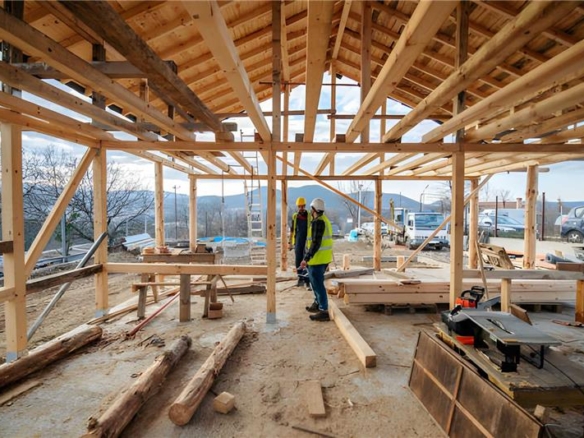
Building a new home can offer more value in certain situations because you get modern materials, energy efficiency, and warranties. Prices vary based on section costs, size, and inclusions, so research and planning are essential.
How to Determine Your Home Budget
Calculate What You Can Afford
To begin budgeting first home NZ, assess your financial position. You should list:
-
- Your household income
-
- Regular expenses
-
- Current savings
-
- Any debts
-
- Expected savings timeline
Banks in New Zealand use income, debt, and spending patterns to determine lending ability. Your budget should consider both your mortgage comfort level and future life changes, such as starting a family.
Deposit Requirements for NZ First Home Buyers
Most NZ banks require a deposit of at least 20 percent, but first home schemes can support lower deposits when criteria are met. Consider:
-
- KiwiSaver first home withdrawal eligibility
-
- First Home Grant from Kāinga Ora if you meet criteria
-
- Additional savings or financial support
Key Home Buying Costs in New Zealand
Understanding first home expenses NZ wide is crucial for peace of mind.
Upfront Costs
| Cost Type | Notes |
| Deposit | Main portion towards purchase |
| Legal fees | Conveyancing and contract review |
| LIM report | Council information about land |
| Building inspection | Ensures property quality |
| Valuation fees | Required by many banks |
| Loan setup fees | Bank processing fee |
These vary depending on property type and lender requirements.
Ongoing Costs to Expect
Once your home is purchased, plan for monthly and yearly expenses:
-
- Mortgage repayments
-
- Home insurance
-
- Utilities
-
- Local council rates
-
- Water supply charges where applicable
-
- Maintenance and repairs
If you purchase an apartment or townhouse, body corporate fees may apply.
Hidden Costs Buyers Overlook
Many first home buyers forget additional financial needs, such as:
-
- Movers or rental vehicles
-
- New furniture and appliances
-
- Landscaping or fencing
-
- Window coverings and lighting
Planning for these expenses helps avoid financial strain.
New Build vs Existing Home: Cost Considerations
Building a New Home
Building a new home gives you:
-
- Fixed pricing options (depending on builder)
-
- Warranty-backed construction
-
- New appliances
-
- Better insulation and energy efficiency
However, new builds require time for planning and construction, so budgeting must include rent or accommodation costs during the build.
Buying an Existing Home
Existing homes offer immediate occupancy but can also come with maintenance surprises or outdated systems.
For budget conscious buyers, comparing both paths ensures you choose the most financially stable option.
Frame Homes Pricing and Support for First Home Buyers
Frame Homes supports buyers through transparent pricing and structured build processes. Frame Homes pricing helps you understand inclusions clearly so you avoid unwelcome cost surprises. Their designs cater to various budgets and needs, offering flexibility for growing families and first home owners.
Frame Homes ensures clear communication, detailed cost breakdowns, and support throughout the process which helps you plan better and stay in control.
Financial Planning Tips for First Home Buyers
Create a Simple Savings Plan
Start saving early and set a weekly or monthly savings target. Automating transfers into savings or KiwiSaver helps build deposit funds more consistently.
Improve Your Credit Profile
Banks review spending behaviour and credit reports. Pay bills on time, avoid unnecessary debt, and keep credit card balances low to build healthy financial habits.
Use Helpful Tools and Guidance
Use bank calculators, financial advisory services, and home seminars to support your decision making. These resources offer budgeting frameworks and mortgage insights.
Common Budgeting Mistakes to Avoid
-
- Stretching your budget beyond comfort level
-
- Forgetting maintenance expenses
-
- Not planning for changes like family growth or income shifts
-
- Overlooking interest rate changes
Staying realistic helps protect long term financial health.
Checklist for Budgeting Your First Home in NZ
-
- Calculate total budget and deposit target
-
- Explore KiwiSaver and First Home Grant eligibility
-
- Compare build vs buy costs
-
- Request multiple legal and bank quotes
-
- Use mortgage calculators
-
- Plan for hidden and future expenses
Conclusion
Budgeting first home NZ is more than saving a deposit. It includes planning for grants, legal costs, ongoing ownership costs, and future lifestyle changes. With careful financial planning and transparent support such as Frame Homes pricing, you can enter the market with confidence. Start early, research well, and choose partners who guide you honestly. To learn more or start your first home journey, Contact us for support and expert guidance.
Frequently Asked Questions
How much deposit do I need for a first home in NZ?
Most buyers aim for 20 percent, but lower deposits are possible through certain programs.
Can I use KiwiSaver for my first home?
Yes, most first home buyers can withdraw KiwiSaver funds if they meet eligibility rules.
What are hidden costs when buying a first home in NZ?
Moving costs, furniture, landscaping, and council fees are often forgotten by buyers.
Is building cheaper than buying in NZ?
It depends on location, design, and land costs. In many regions, building can provide more value and better energy efficiency.


Join The Discussion