Understanding home building costs NZ is essential for anyone planning to construct a new home. Building a house is an exciting journey, but it involves significant financial planning to ensure your dream home stays within budget. From purchasing land to choosing materials and managing construction expenses, each decision impacts your overall investment.
In this guide, we break down home building costs in NZ, explore Frame Homes pricing structures, and provide practical budgeting tips. By planning ahead and knowing what to expect, homeowners can make informed choices, avoid unexpected expenses, and enjoy a smoother building experience.
Key Factors Affecting Home Building Costs in NZ
Several elements influence the overall cost of building a home:
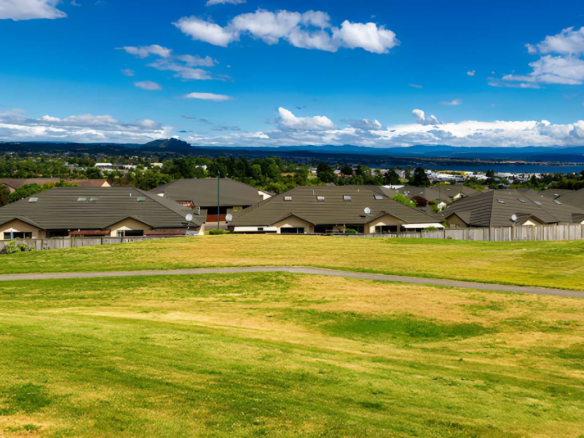
- Location and land price: Urban areas or scenic locations often have higher land costs.
- Size and layout: Larger homes or complex floor plans increase material and labour expenses.
- Material quality and finishes: High-end finishes like premium flooring or cabinetry raise costs.
- Labour and construction complexity: Skilled trades, intricate designs, or challenging sites can increase expenses.
Understanding these variables helps set realistic expectations for your budget.
Understanding Frame Homes Pricing
Frame Homes offers transparent pricing that allows homeowners to plan effectively:
- Base package costs: Include core structure, roofing, insulation, plumbing, and electrical systems.
- Optional upgrades: Custom cabinetry, premium flooring, advanced HVAC systems, or energy-efficient features.
- Transparency: Frame Homes provides detailed quotes, helping clients understand how each choice affects the final cost.
Working with a reputable builder ensures you know exactly what you’re paying for, reducing financial surprises.
Construction Expenses Breakdown
Breaking down costs by construction stage helps you understand where your money goes:
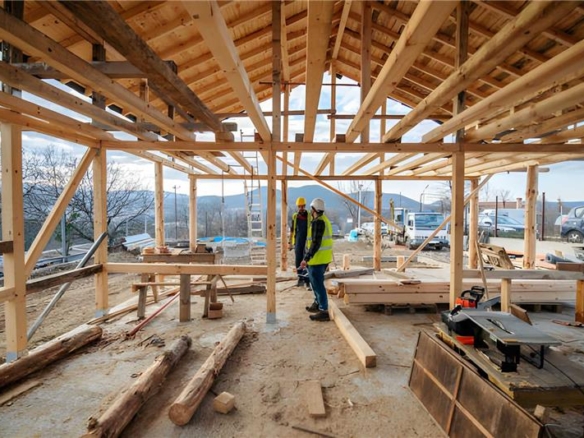
- Foundation and structural work: Excavation, concrete, framing, and load-bearing walls.
- Roofing and exterior: Roof tiles, cladding, windows, doors, and weatherproofing.
- Plumbing, electrical, and HVAC: Installation of pipes, wiring, heating, ventilation, and air conditioning systems.
- Interior finishes: Flooring, cabinetry, kitchen appliances, paint, and fixtures.
Each category contributes significantly to overall expenses, and prioritizing quality in structural components ensures long-term durability.
Budgeting for a New Home
A well-structured budget is key to a successful build:
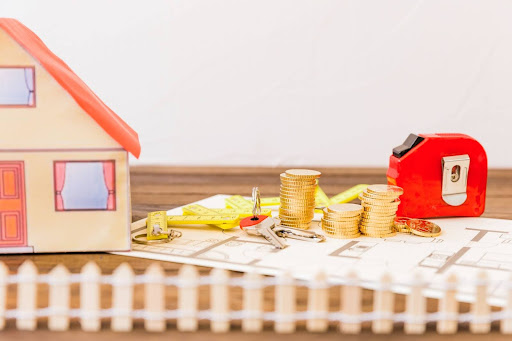
- Realistic estimates: Use builder quotes and market research to set accurate cost expectations.
- Contingency funds: Allocate 10–15% of your budget for unexpected expenses.
- Financing options: Evaluate mortgage options, construction loans, or staged payments.
Careful budgeting prevents overspending and allows for informed decisions about design and upgrades.
Hidden Costs to Consider
Beyond the main construction, several hidden costs can affect your budget:
- Council fees and permits: Building consents, inspections, and zoning approvals.
- Utility connections: Water, electricity, gas, and internet setup fees.
- Landscaping and driveways: Gardens, fencing, paving, and irrigation.
- Design fees and inspections: Architectural plans, engineering reports, and ongoing quality checks.
Accounting for these expenses upfront prevents financial surprises later in the project.
Tips to Manage and Reduce Costs
Even with a clear budget, you can take steps to manage expenses:
- Choose cost-effective materials: Opt for durable, affordable alternatives without compromising quality.
- Phase construction: Prioritize essential elements first, adding optional upgrades later.
- Work with reputable builders: Professionals like Frame Homes help avoid mistakes that could be costly to fix.
Small adjustments can make a significant difference in your overall home building costs.
Benefits of Understanding Costs Early
Knowing your budget before construction begins provides multiple advantages:
- Avoid financial surprises: Prevent overextending and ensure you have funds for key priorities.
- Smoother construction timeline: A clear plan reduces delays caused by funding issues.
- Informed decision-making: Helps choose materials, designs, and upgrades wisely.
Proactive planning gives peace of mind and makes the building process far more enjoyable.
Conclusion
Understanding home building costs NZ is essential for turning your dream home into reality without financial stress. From land purchase and construction expenses to Frame Homes pricing and hidden costs, careful planning ensures a smoother, more predictable building process.
By creating a realistic budget, factoring in contingencies, and working with trusted builders like Frame Homes, you can make informed decisions and stay in control of your investment. To start planning your dream home with confidence, contact us today for a detailed cost consultation.
FAQs
- What is the average cost to build a home in NZ?
Costs vary based on location, size, and finishes. On average, building a standard 200–250 m² home ranges from NZD $300,000–$600,000. - How does Frame Homes pricing compare to other builders?
Frame Homes provides transparent, competitive pricing with clear breakdowns for base packages and upgrades. - Are there ways to reduce construction expenses?
Yes, by selecting cost-effective materials, limiting customizations, and managing construction stages. - How much should I budget for contingencies?
A 10–15% contingency fund is recommended to cover unexpected costs during construction. - Do council fees vary by location?
Yes, local councils have different fees for building consents, inspections, and permits, which should be included in your budget.